- New
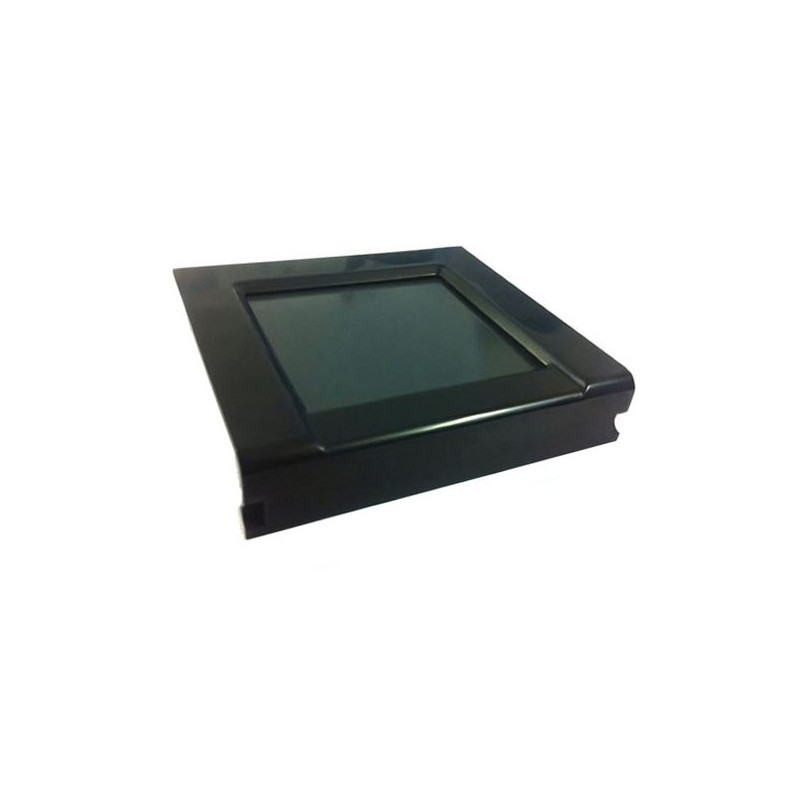
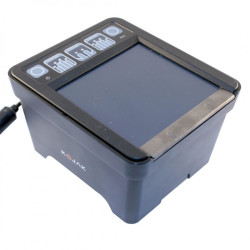
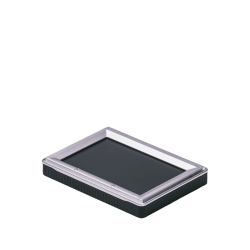
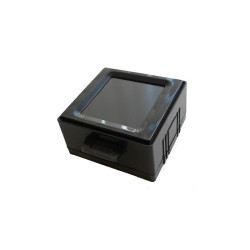
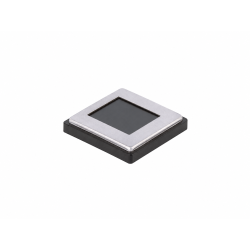
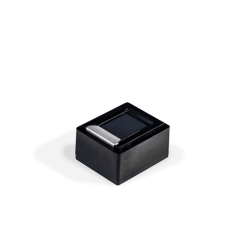
The Integrated Biometrics Sherlock is a compact, mobile FAP 45-class fingerprint scanner designed to capture single or dual-finger flat prints as well as single rolled prints. The device holds FBI Appendix F and PIV certifications and captures fingerprint images of the quality required for professional biometric identification systems.
Integrated Biometrics Sherlock
Manufacturer: Integrated Biometrics, USA
The Integrated Biometrics Sherlock is a compact, mobile FAP 45-class fingerprint scanner designed to capture single or dual-finger flat prints as well as single rolled prints. The device holds FBI Appendix F and PIV certifications and captures fingerprint images of the quality required for professional biometric identification systems.
FAP (Fingerprint Acquisition Profile) defines the device class and minimum sensor surface area in accordance with FBI requirements. The Sherlock belongs to the FAP 45 class, meaning its scanning surface allows for the simultaneous capture of flat prints from two fingers. PIV (Personal Identity Verification) refers to the device's compliance with requirements for fingerprint acquisition used in identity verification systems, among other applications. The manufacturer also confirms the Sherlock's compliance with Mobile ID IQS FAP 45, GSA FIPS 201, and FBI Appendix F standards.
The scanner utilizes LES (Light Emitting Sensor) technology, patented by Integrated Biometrics. This technology enables the construction of scanners that are significantly thinner and lighter than traditional optical designs while maintaining the image quality required by the FBI. LES technology is designed to operate in daylight conditions and is resistant to common finger contaminants such as water, grease, oil, and dust.
Sherlock was designed primarily for mobile solutions and OEM integration. It is compatible with computers, mobile terminals, smartphones, and tablets. Thanks to its compact dimensions, a weight of under 55 g (according to current technical specifications), and USB power supply, it is well-suited for building portable biometric identification and registration stations.
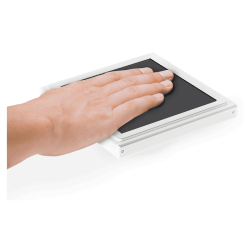
The device supports both flat fingerprint capture and rolled fingerprint capture (recording the print as the finger is rolled across the sensor surface). The manufacturer also notes that Sherlock can be used for the registration and verification of 1, 2, or 10 fingers; in the case of a full 10-finger set, registration is performed sequentially, as the FAP 45 surface allows for the simultaneous capture of a maximum of two flat fingerprints.
Technical specifications
- device type: professional fingerprint scanner
- device class: FAP 45
- image certification: FBI Appendix F
- compliance: PIV – Personal Identity Verification
- compliance: Mobile ID IQS FAP 45
- compliance: GSA FIPS 201
- sensor technology: LES Advanced Optical – Light Emitting Sensor
- sensor camera type: TFT
- resolution: 500 ppi
- grayscale levels: 256
- image size: 800 × 750 pixels
- active sensor area: 40.6 × 38.1 mm
- scanning surface size: 42 × 39 mm
- supported scanning: single flat fingerprint
- supported scanning: two simultaneous flat fingerprints
- supported scanning: single rolled fingerprint
- sequential 10-finger enrollment capability
- minimum capture speed: over 10 fps
- RAW format
- JPEG2000 format
- BMP format
- PNG format
- FBI-approved WSQ format
- NFIQ v1 quality assessment support on all supported systems
- NFIQ 2 support on Windows
- communication encryption: AES 256-bit and RSA algorithms
- supported template formats: ISO 19794-2:2005/2011
- supported biometric image formats: ISO 19794-4:2005/2011
- supported standard: ANSI/INCITS 378:2004
- supported standard: ANSI/INCITS 381:2004
- interface: USB 2.0
- power supply: via host USB port
- USB voltage: 4.75–5.25 V
- x86/x64 host processor: 2.0 GHz or faster
- ARM processor: 1.0 GHz or faster
- minimum RAM: 512 MB
- weight: under 55 g (per current web specifications)
- dimensions: 65.2 × 59.5 × 14.2 mm
- operating temperature: -10°C to +55°C
- storage temperature: -40°C to +80°C
- operating humidity: 20–95% RH at temperatures below 40°C, non-condensing
- scanning surface protection rating: IP65 – seal between bezel and scanning surface
- surface durability: MIL-C-675C and MIL-STD-810F
- vibration resistance test: MIL-STD-810F, Method 514.5, Category 24
- electrostatic discharge (ESD) resistance: IEC 61000-4-2
- device safety: EN IEC 62368-1:2020+A11:2020
- RoHS compliance: 2011/65/EU including amendment 2015/863
- MOSIP compliance
- KISA PAD compliance
- USB-IF certification
- TAA compliance for US customers
- declared MTBF: 33 years (based on 200 - two-finger full registrations per day
- part number: SH11000-000
- available connectors for this version: 6-pin Pogo and female Molex connector
Supported operating systems
- Microsoft Windows 11 Desktop
- Android 15 or later
- Linux Kernel 5.x, 6.x, or a later supported version
- Ubuntu 22.04 LTS or later
- Debian 12 or later
Required software
The IBScanUltimate SDK (Software Development Kit) from Integrated Biometrics is required to communicate with the Sherlock scanner.
The IBScanUltimate SDK includes, among other things:
- drivers and software components enabling communication with the scanner
- an API (Application Programming Interface) for integrating the device with an application
- API documentation
- Integrated Biometrics libraries
- demonstration applications
- sample source code for supported platforms
- support for flat and rolled fingerprint capture
- multi-device support
- support for multi-threaded applications
- NFIQ image quality assessment mechanisms
- an interface for developing custom biometric applications
The manufacturer continues to develop IBScanUltimate. Current releases include, among other things, updates for Android 15 as well as driver and API modifications. Integrated Biometrics recommends using the latest SDK version that supports the specific hardware version of the scanner.
Applications
Sherlock is particularly well-suited for systems where mobility, compact device dimensions, and the ability to capture certified images of two fingers or rolled fingerprints are important.
Typical applications include:
- mobile person identification
- mobile biometric enrollment
- fingerprint-based identity verification
- AFIS (Automated Fingerprint Identification System)
- 1-, 2-, and 10-finger enrollment
- single rolled fingerprint capture
- PIV systems
- border control and immigration
- law enforcement and uniformed services applications
- mobile officer terminals
- public safety systems
- military identification systems
- employee enrollment and verification
- e-Government and e-ID systems
- National ID systems
- mobile terminals compatible with smartphones and tablets
- Android-based biometric enrollment systems
- OEM solutions and embedded devices
- identification kiosks and terminals
- solutions requiring FBI Appendix F and FIPS 201 compliance
The Integrated Biometrics Sherlock is a compact, mobile FAP 45-class fingerprint scanner designed to capture single or dual-finger flat prints as well as single rolled prints. The device holds FBI Appendix F and PIV certifications and captures fingerprint images of the quality required for professional biometric identification systems.